
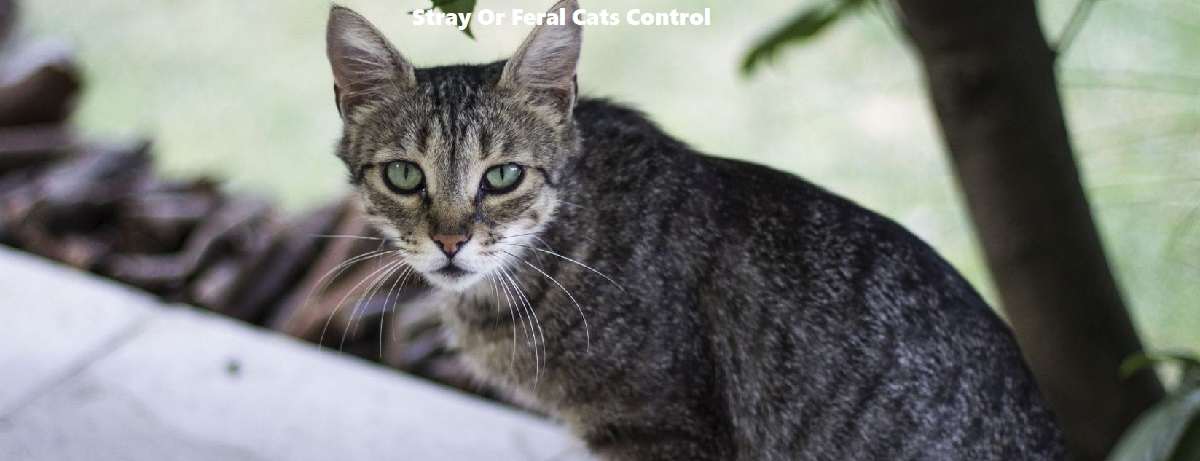
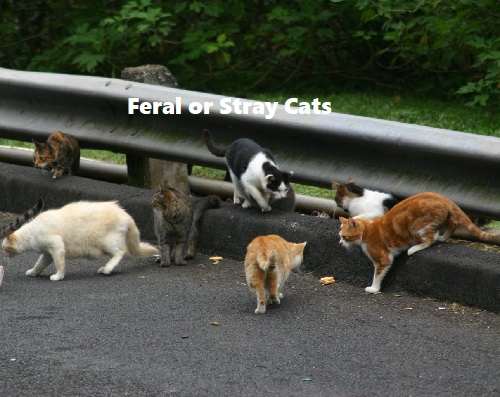
 Feral cats control. Feral cats are a growing concern in Nairobi and nearby towns. While some people view them as harmless or even helpful in controlling rodents, stray cats can become a serious problem when their population is left unchecked. They may spread diseases, cause property damage, create noise disturbances, and pose risks to domestic pets.
Jopestkil Kenya provides humane and effective stray cat control services to help businesses, homeowners, and institutions manage this challenge responsibly.
Jopestkil Kenya offers comprehensive feral cat control solutions to help manage and reduce the population of feral cats in your area. With humane trapping and removal techniques, Jopestkil Kenya Specialists Best Feral Cats Control Services in Nairobi Kenya 1 ensures that feral cats are safely removed from your property without causing harm to the animals. Additionally, Jopestkil Kenya Specialists Best Feral Cats Control Services in Nairobi Kenya 1 can provide advice on how to prevent feral cat infestations in the future, helping to protect both your property and the local wildlife.
By working with professionals like Jopestkil Kenya Specialists Best Feral Cats Control Services in Nairobi Kenya, individuals and communities can effectively control and manage feral cat populations to ensure the safety and well-being of both humans and animals.

Understanding Stray Cat Problems
Stray cats are typically unowned cats that have adapted to living outdoors. They may be abandoned domestic cats or the offspring of such cats, often living in colonies near food sources. While some strays can be re homed, many are feral, meaning they have had little to no contact with humans and are difficult to domesticate.
When their numbers grow, stray cats can cause:
Strong odours from spraying and urine marking.
Property damage such as scratched furniture, destroyed gardens, or disturbed rubbish bins.
Noise from fighting or mating calls at night.
The spread of fleas, ticks, and diseases like toxoplasmosis or feline leukemia.
Threats to native wildlife through hunting.
Why Stray Cat Control is Important
Health and Hygiene – Stray cats can carry parasites and diseases harmful to humans and pets.
Environmental Balance – Large cat populations can disrupt local wildlife.
Property Protection – Reduces property damage from scratching, spraying, or rummaging.
Peace and Quiet – Eliminates nighttime noise from mating and fighting.
Humane Management – Prevents suffering among cats by controlling numbers ethically.
Signs of Feral or Stray Cat Infestation
Signs of a Stray Cat Infestation Include:
Frequent sightings of multiple cats in the same area.
Loud yowling or fighting, especially at night.
Strong odours from urine marking.
Disturbed rubbish bins or scattered food waste.
Increased flea activity in the area.
The Impact of Uncontrolled Stray Cat Populations
Too many stray cats can lead to big problems. They can carry diseases and spread parasites. Their loud sounds during mating season and fights cause noise pollution. What’s more, they hunt and kill other animals, like songbirds. This hunting can disrupt ecosystems, pushing other animals to deal with diseases or competition they aren’t ready for. That’s why some scientists view feral cats as a top threat to natural environments worldwide.
Customised Feral Cat Treatment Plans: Jopestkil Kenya designs specific feral cat treatment plans for each customer. Their technicians first check the entire property. They place baits with feral cat poison safely in areas that pets and kids can’t reach to eliminate the cats. After two days, they return to remove any dead cats and put out more bait for ongoing protection.
Humane and Effective Stray Cat Control Methods: Jopestkil Kenya uses humane ways to control stray cats, namely TNR programs. They catch the cats, get them fixed, and put them back where they found them. This helps keep their numbers in check over time, all without hurting them.
Exclusion and Deterrent Techniques: Besides TNR, Jopestkil Kenya uses methods to keep cats away. They take away food, block hiding spots, and use devices to frighten the cats. Such actions aim to discourage the cats from living in these areas, but without causing them any harm.
Stray Cats Control Services in Kenya: Jopestkil Kenya provides top-notch stray cats control services in Nairobi, both for homes and businesses. Their skilled team acts fast and quietly. They make sure your space is free of stray cat worries. This keeps everyone safe and happy, including your pets.
Residential Stray Cat Control Solutions: Are stray cats making your home their own? Jopestkil Kenya is here to help in Kenya. Their experts use effective techniques to kick stray cats out and keep them away. They always put your safety and peace of mind first.
Commercial and Industrial Stray Cat Management: In Nairobi, Jopestkil Kenya deals with the extra challenge of stray cats in business and industrial areas. They know how different this issue is for companies. That’s why their solutions are made to last, keeping your place cat-free for good.
Our Stray Cat Control Process
Inspection and Assessment: We begin with a site inspection to determine the scale of the problem, identify stray cat colonies, and assess environmental factors encouraging their presence.
Identification and Planning: We identify whether cats are strays, feral, or lost domestic pets, then design a humane and effective control strategy.
Control Methods: Humane Trapping – We use safe, humane traps to capture stray cats without harming them.
Relocation or Shelter Placement: Where possible, cats are taken to registered shelters or rehoming programs.
Trap-Neuter-Return (TNR) – For feral cats, we coordinate spaying or neutering before returning them to their environment, reducing future population growth.
Environmental Management – Advising on securing rubbish bins, removing food sources, and blocking entry points to buildings.
Follow-Up: We monitor the site after initial control measures to ensure the problem is resolved and no new colonies form.
Stray Cat Control for Different Settings
Residential estates – Keeping compounds clean, quiet, and safe for children and pets.
Restaurants and markets – Preventing stray cats from scavenging and creating hygiene concerns.
Schools – Reducing health risks and distractions for students.
Warehouses – Avoiding contamination of goods and damage to stored items.
Commercial Premises – Protecting feed and livestock from contamination.
Why Choose Jopestkil Kenya For Stray or Feral Cats Control For Homes & Businesses
These Includes:
Ethical and humane control methods.
Professional, discreet service.
Affordable, customised solutions for different environments.
Instantly Effective results.
Experienced team with knowledge of local challenges.
Best Ways How To Control and Get Rid Of Feral or Stray Cats Safely?
Remove Food Sources: Feral cats will stay in any area where food is plentiful. Avoid feeding your pets outdoors and cover trash scraps securely to deny unwelcome cats an easy meal. Do not add any meat scraps to a compost pile. Keep grills and barbecue pits clean to avoid enticing smells.3
Remove Shelter: Board up holes in old sheds or garages, under decks or porches, or in simple shelters such as woodpiles or window wells to avoid providing shelter to feral cats.3
Use Pebbles, Eggshells, or Chicken Wire: Cats are known for their love of relaxation and making a yard uncomfortable can discourage visitors. Fill flower beds and areas where cats tend to lounge with sharp pebbles, eggshell shards, or a layer of chicken wire so the ground will be uncomfortable
Keep Unaltered Females Indoors: Unaltered males will be attracted to any female cats in heat. Pet owners who spay their female cats are less likely to attract wandering males. Unaltered females should be kept indoors during their heat cycles.3
Use Commercial Repellent: Use Commercial Repellent Cats have sensitive senses of smell and taste. Commercial repellents like Shake Away Cat Repellent powder, use odours cats dislike. Some use the scent of predators like coyotes to deter cats. Reapply after heavy rains for best results.
Use Natural Repellent: Natural repellents to sprinkle on flowerbeds or gardens include moth balls, ammonia-soaked rags, ground mustard, cayenne pepper, citrus peels, coffee grounds, and citrus-based sprays. Remember to reapply repellents after heavy rains.
Use Motion-Activated Ultrasonic Sirens: Old-fashioned scare tactics can discourage cats from visiting a yard regularly. One method would be to use a motion-activated ultrasonic siren, which uses a startling sound that turns on when the device detects a cat’s movement in front of its sensor.
Use Humane Traps: Spring-loaded humane traps can be effective for catching feral cats that can then be turned over to wildlife control officials or local shelters and rescues. Place traps in areas where the cats frequent and bait them with appropriate food or appetising scents.
Related Posts:


Contents